
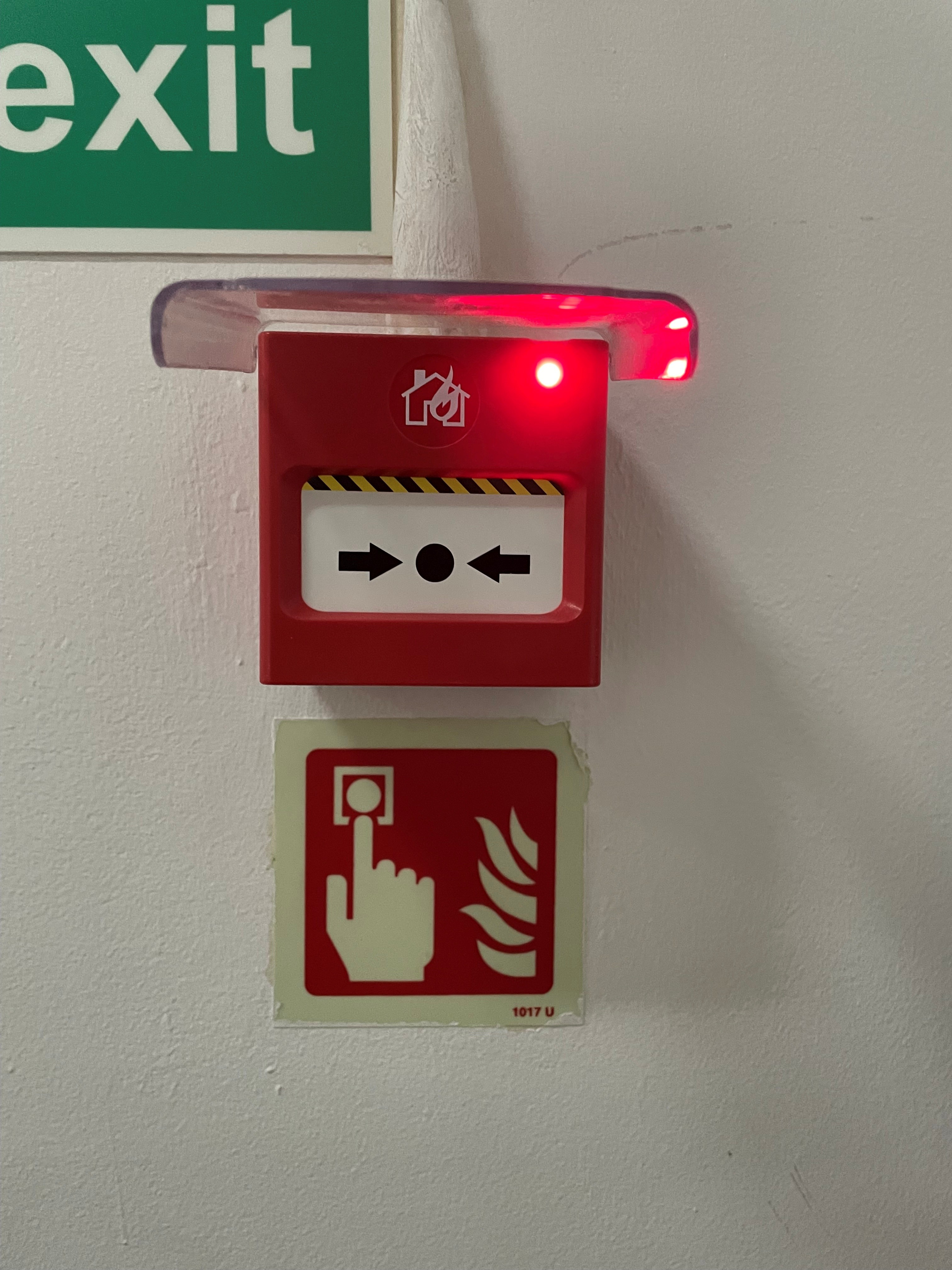
Fire Alarm False Alarms: Common Causes and Why They Shouldn’t Be Ignored
A fire alarm system has one very important job: to provide an effective warning when there is a fire.
But what happens when a system repeatedly activates when there isn’t one?
False alarms — sometimes referred to as unwanted alarms — can be disruptive, costly and frustrating. More importantly, repeated false alarms can lead to occupants becoming complacent and potentially responding less effectively when an alarm is genuine. Government fire-safety guidance specifically warns about this risk and recommends that false alarms are investigated and appropriate remedial action taken.
Rather than simply resetting the panel and carrying on, repeated activations should therefore be investigated to establish why they are happening.
What Can Cause a False Fire Alarm?
There isn’t one single cause.
Automatic fire detectors are designed to respond to particular fire phenomena, but environmental conditions and activities within a building can sometimes result in unwanted activations.
Common causes can include cooking fumes, steam, aerosols, dust or contamination, smoking or vaping, hot works, unsuitable detector selection or positioning, accidental damage and faults within the fire-alarm system itself.
Changes to how a building is used can also matter. A detector that was appropriate when an area was originally designed may no longer be appropriate if the use of that area has subsequently changed.
That’s why the cause needs to be investigated rather than assuming that the detector is simply “too sensitive”.
________________________________________
From the Field: Detector Condition Matters
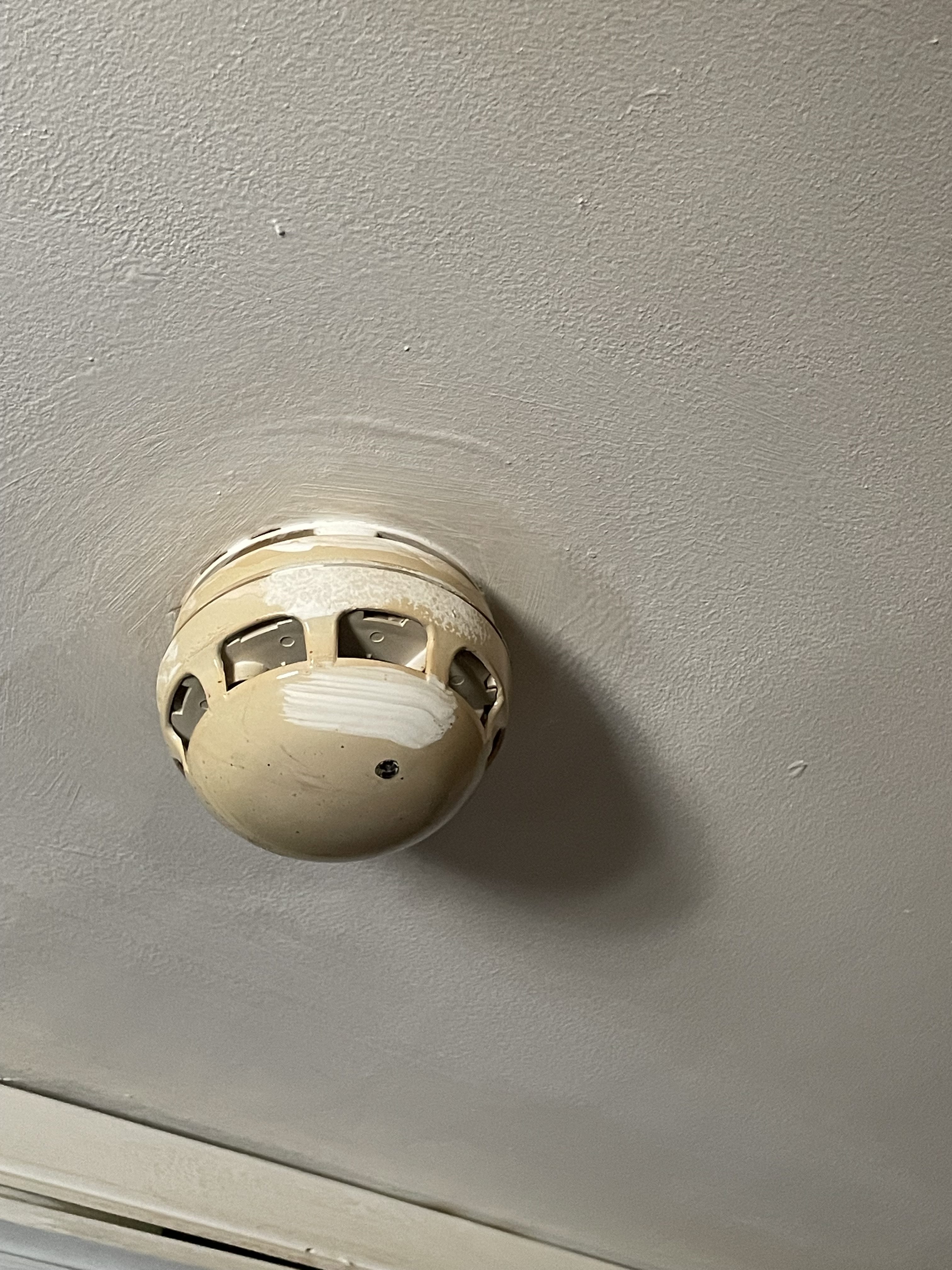
This detector is a good example of something we may encounter while inspecting an existing fire-alarm system.
It shows visible contamination and has been painted over.
Fire detectors shouldn’t simply disappear into the ceiling and be forgotten about.
Dust and contamination can affect detectors and contribute to unwanted alarms, while physical contamination or obstruction can potentially affect their ability to operate as intended. Fire-service guidance specifically identifies dirty detector heads and poor maintenance as potential contributors to unwanted fire signals.
This is one reason regular inspection and servicing matters.
________________________________________
What About a Fault Showing on the Fire Alarm Panel?
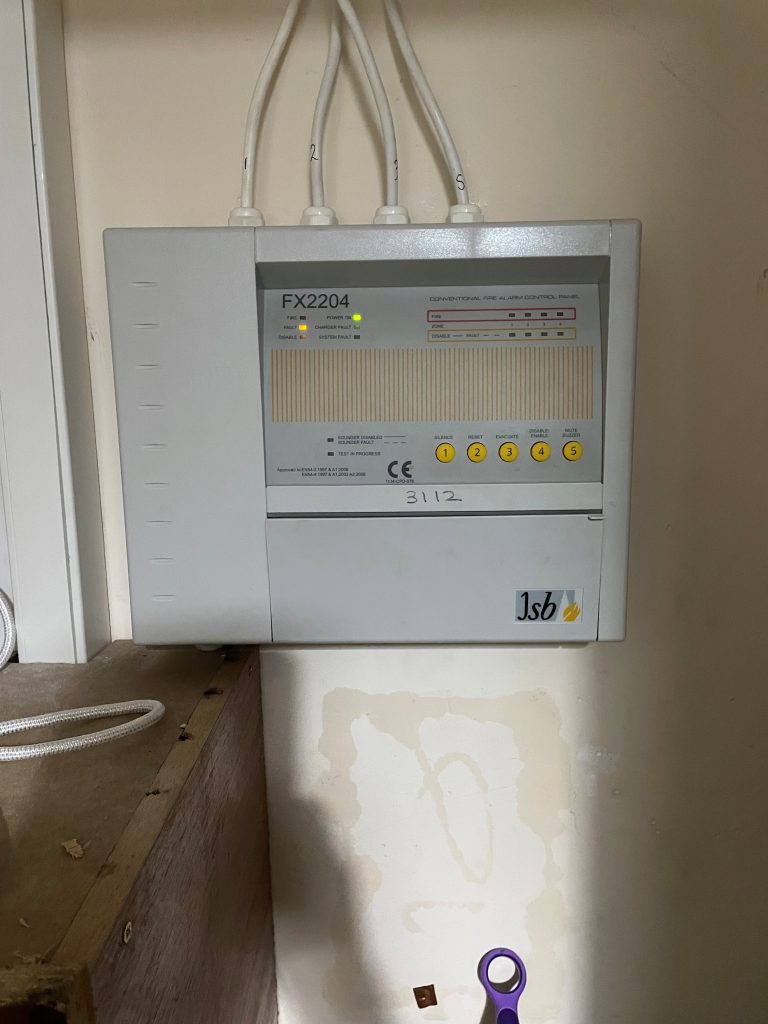
A fault indication on a fire-alarm control panel shouldn’t simply be ignored.
The panel is providing information about the condition of the system, and the cause should be investigated.
Depending on the system, a fault could relate to various components or circuits and may affect the system’s operation.
Where a system is compromised, appropriate action should be taken and the fault rectified as soon as practicable. Current fire-service guidance specifically recommends resolving system faults promptly and considering interim measures where the system is impaired.
Repeatedly resetting a fault without establishing its cause isn’t a substitute for proper fault finding.
________________________________________
Fire Alarm Batteries Need Attention Too
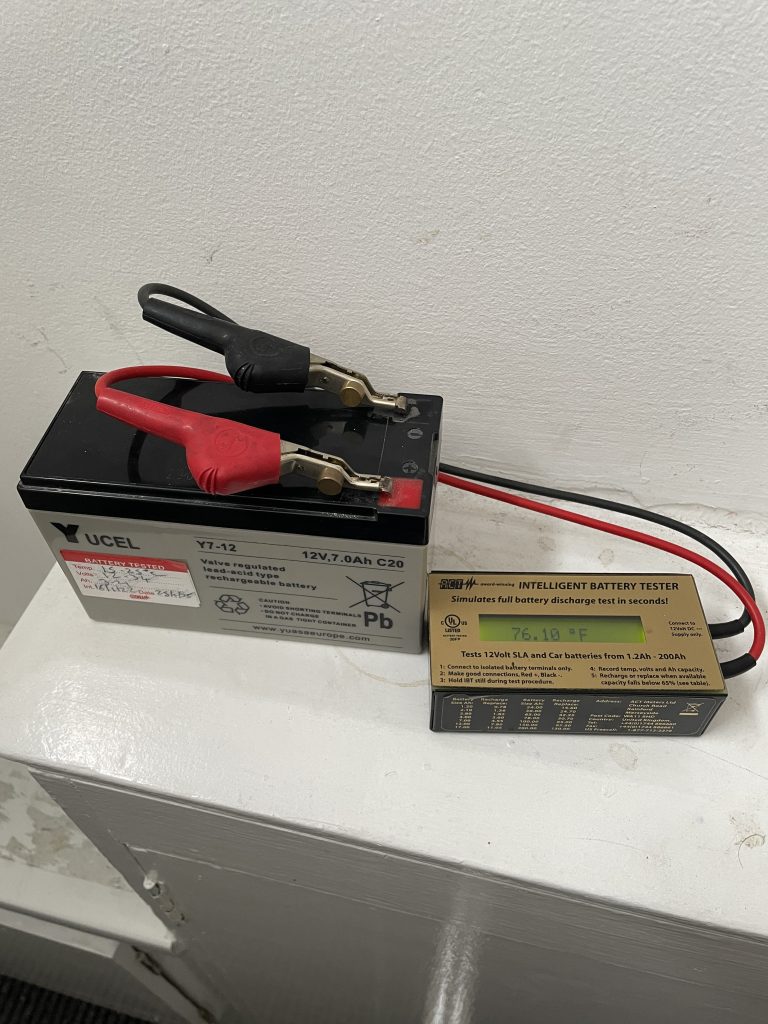
Fire-alarm systems normally incorporate a secondary power supply so that the system can continue operating if the normal mains supply fails.
That makes the condition of the standby batteries an important part of maintaining the system.
During servicing, batteries and the associated power-supply arrangements can be checked to help establish whether they remain suitable for continued service.
A battery sitting inside a control panel may look perfectly normal externally while its performance has deteriorated.
That’s why testing is more useful than simply looking at it.
________________________________________
Testing the Detectors
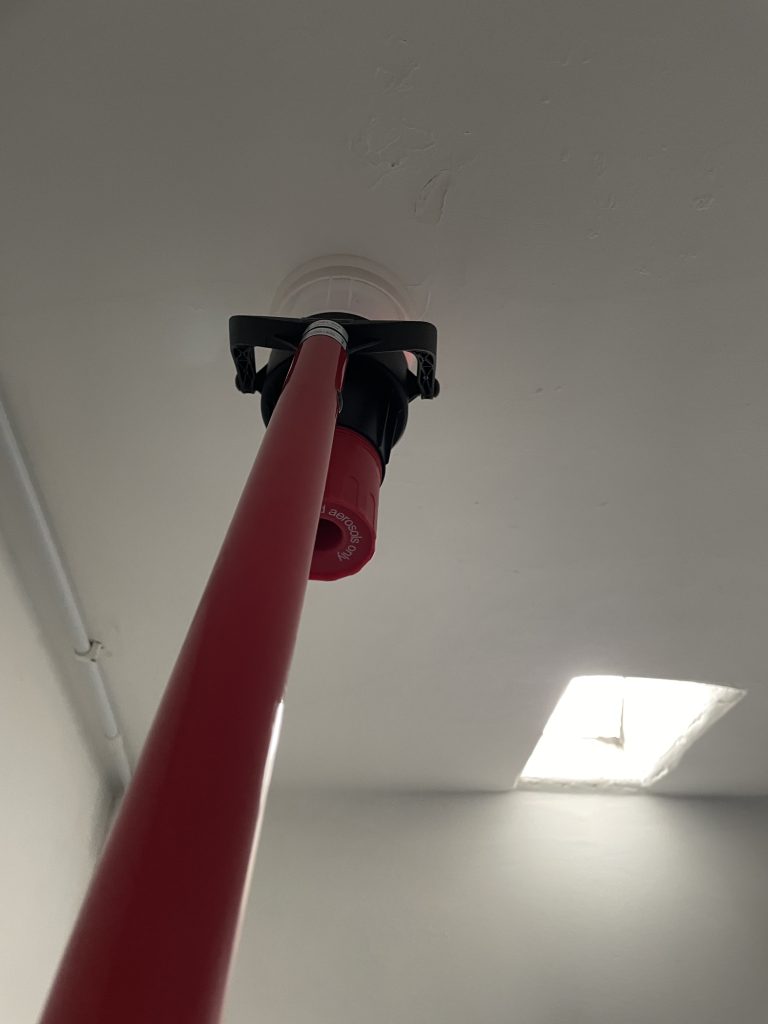
Routine maintenance isn’t simply about looking at the control panel.
Automatic detectors also need appropriate testing.
FIA guidance notes that detector testing should establish that the relevant test medium can enter the sensing chamber and initiate the appropriate response, with this work undertaken by a competent person.
This allows the engineer to verify more than simply whether a detector is physically present on the ceiling.
________________________________________
Why Repeated False Alarms Matter
It can be tempting to think:
“It always does this — just reset it.”
That’s exactly the attitude a well-managed fire-alarm system should avoid.
Repeated false alarms can create the “cry wolf” effect, where occupants become accustomed to alarm activations and may not react appropriately when a genuine fire occurs. London Fire Brigade and government fire-safety guidance both specifically identify complacency as a consequence of excessive false alarms.
There can also be disruption to businesses, residents and building operations.
The better approach is to record, investigate and address the cause.
________________________________________
Keeping a Fire Alarm Logbook Can Help
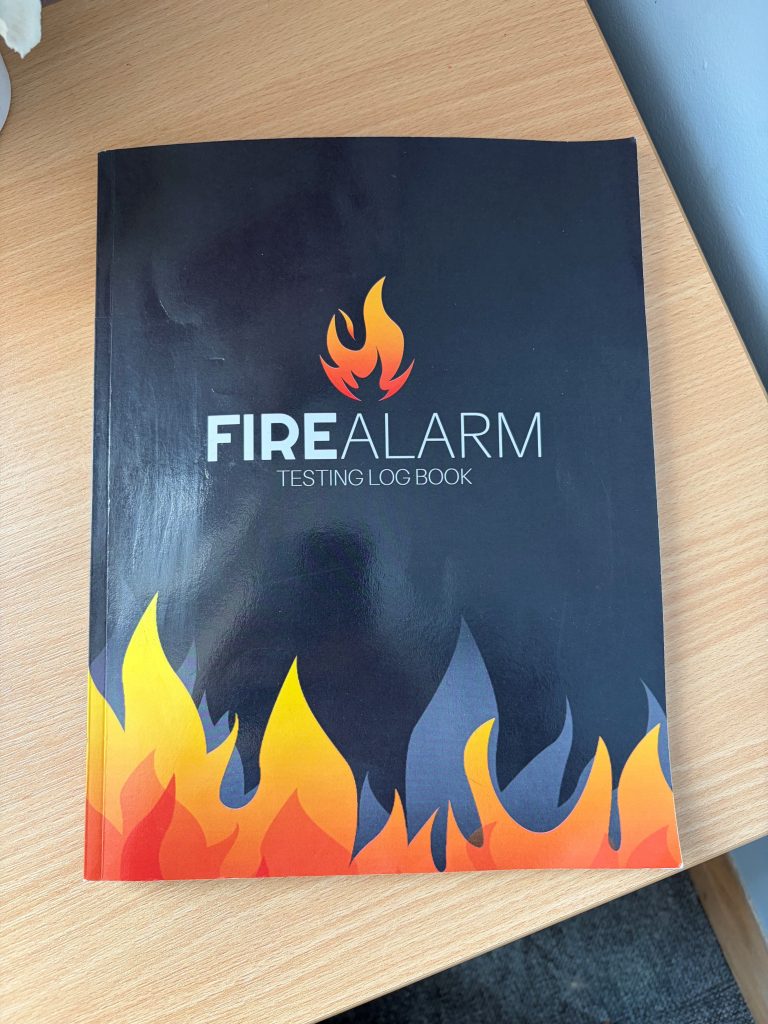
Good records can be extremely useful when investigating repeated false alarms.
Record information such as:
When did the activation occur? Which zone or detector operated? What was happening in the building at the time? Was cooking, cleaning or building work taking place? Has the same detector activated previously?
Patterns can then become apparent.
For example, repeated activations from the same area at a similar time of day may provide useful clues when an engineer investigates the system.
Government guidance recommends recording fire-alarm tests, false alarms and maintenance carried out.
________________________________________
Pentacle Pro Tip
Don’t just record that the fire alarm activated — record where, when and what was happening at the time.
That additional information can make identifying the cause of repeated unwanted alarms considerably easier.
And if the same detector, zone or fault keeps appearing, don’t simply keep resetting the system. Have the cause properly investigated.
________________________________________
Regular Fire Alarm Servicing Matters
Routine inspection and maintenance can help identify deterioration, contamination, faults and other issues before they develop further.
For systems within the scope of BS 5839-1, FIA guidance states that the interval between successive inspection and servicing visits should be determined by risk assessment but should not exceed six months.
________________________________________
Fire Alarm Servicing & Maintenance
At Pentacle Electrical and Security Ltd, we provide fire-alarm testing, servicing, maintenance and fault finding for businesses, landlords and property managers across Welwyn Garden City and the surrounding Hertfordshire area.
As a BAFE-registered company, our focus is not simply on getting a panel back to its normal condition — it’s on identifying faults and helping ensure the fire-alarm system remains properly maintained and suitable for its intended purpose.
Electrical | Fire | Security
Contact Pentacle to discuss your fire-alarm servicing or maintenance requirements.