
EICR vs PAT Testing: What’s the Difference and Do You Need Both?
Electrical safety is important for every property, but for landlords, businesses and those responsible for commercial premises, it can sometimes be difficult to know exactly what testing is required.
Two terms that regularly cause confusion are EICR and PAT testing.
Although both involve electrical safety, they look at very different things. Having one carried out does not necessarily mean the other has been covered.
So, what is the difference?
What is an EICR?
An Electrical Installation Condition Report (EICR) assesses the condition of the electrical installation within a property.
Put simply, it is primarily concerned with the fixed electrical installation rather than the portable appliances plugged into it.
Periodic inspection and testing can identify issues including deterioration, potential electric-shock risks, fire hazards, defective electrical work and problems with earthing or bonding. The findings are recorded on an EICR.
Depending on the premises, this can include inspection and testing associated with:
• Consumer units and distribution equipment
• Fixed wiring and circuits
• Socket and lighting circuits
• Earthing and bonding
• Protective devices such as RCDs
• Signs of damage, deterioration or unsafe conditions
An EICR therefore provides valuable information about whether an electrical installation is satisfactory for continued use.
________________________________________
What is PAT testing?
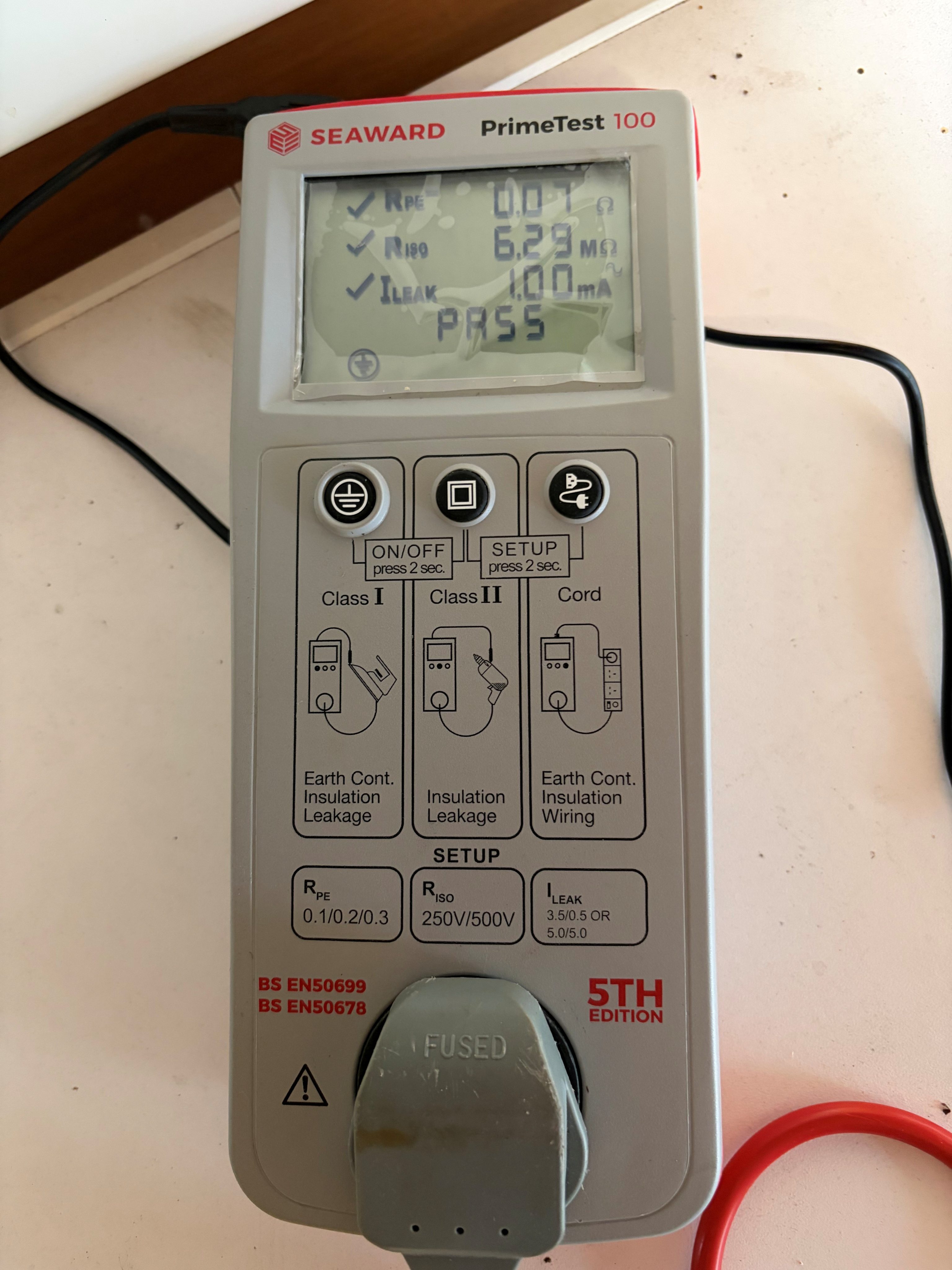
Portable Appliance Testing (PAT) is different.
Rather than assessing the property’s fixed wiring, it is concerned with the safety of electrical equipment and appliances.
Depending on the type of equipment, its environment and the appropriate testing required, this can involve a visual inspection together with electrical tests. Electrical Safety First describes PAT as checking appliances for safety through visual checks and electrical testing to identify damage, wear or faults.
Typical equipment might include:
Vacuum cleaners, kettles, computers, extension leads, power tools, heaters and other electrical equipment used within the premises.
________________________________________
Does an EICR include PAT testing?
Generally, no.
This is an important distinction.
An EICR is concerned with the condition of the electrical installation. Portable appliances are outside the scope of an EICR, and separate inspection/testing may therefore be required. Electrical Safety First’s guidance specifically distinguishes portable appliances from the installation covered by an EICR.
Think of it this way:
EICR = the electrical installation
PAT = the electrical equipment connected to it
Both contribute to electrical safety, but they are looking for different types of problems.
________________________________________
Does PAT testing replace an EICR?
Again, no.
An appliance could successfully pass the appropriate inspection and testing while there is still a problem elsewhere within the property’s electrical installation.
Likewise, a satisfactory EICR does not mean that every electrical appliance within the premises has been individually inspected and tested.
This is why the two should not be treated as interchangeable.
________________________________________
How often should PAT testing be carried out?
One of the most common misconceptions surrounding PAT testing is:
“Everything has to be PAT tested every year.”
There isn’t a universal annual PAT-testing requirement.
HSE guidance states that the frequency of inspection and testing should be determined by the duty holder based on an assessment of risk. Factors such as the equipment, how and where it is used, its condition and the likelihood of damage can influence an appropriate maintenance regime. HSE also makes clear that its suggested testing frequencies are guidance rather than legal requirements.
For example, equipment regularly moved around or used in a demanding environment may warrant a different inspection regime from equipment that remains relatively protected and rarely moves.
This is why a sensible electrical maintenance programme should consider the actual risks, rather than simply applying the same interval to every appliance.
________________________________________
What about EICR intervals?
EICR requirements depend on the type and use of the premises.
For privately rented homes, periodic electrical inspection is a legal requirement across the UK, with Electrical Safety First stating intervals should not exceed five years, or sooner where specified. Different recommendations and requirements apply to other types of premises.
For businesses and other commercial premises, the appropriate inspection regime should take account of the installation, its use, condition and relevant legal responsibilities.
If you’re unsure when an installation should next be inspected, a competent electrical contractor can advise based on the circumstances.
________________________________________
From the Field: PAT Testing in Practice
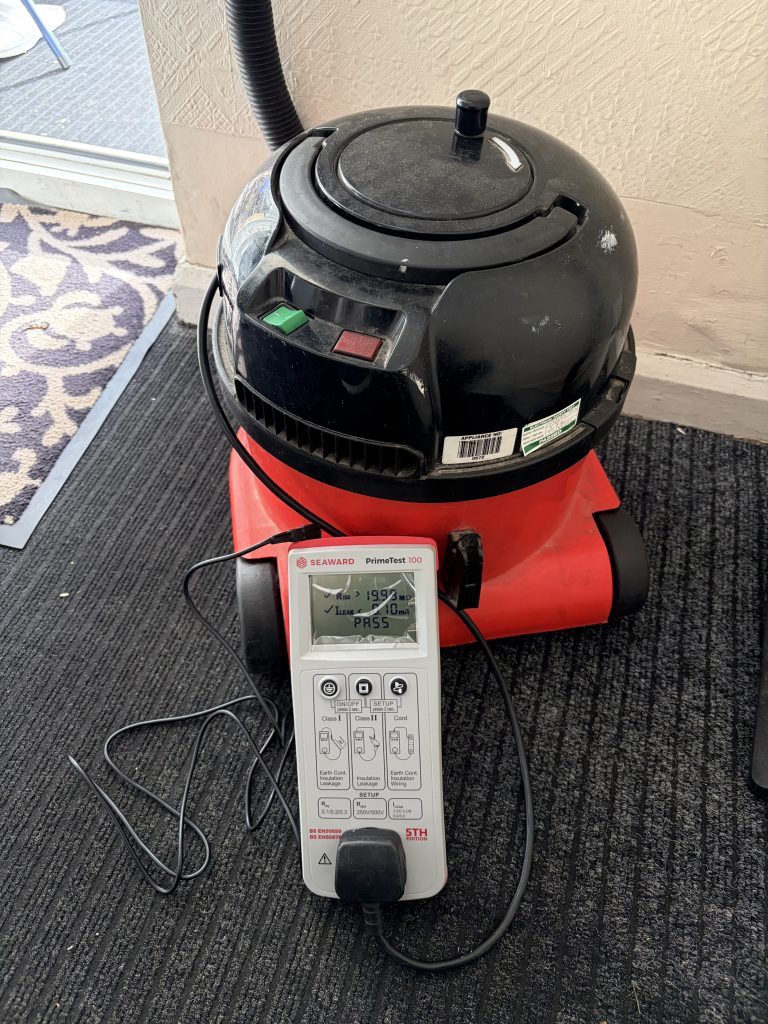
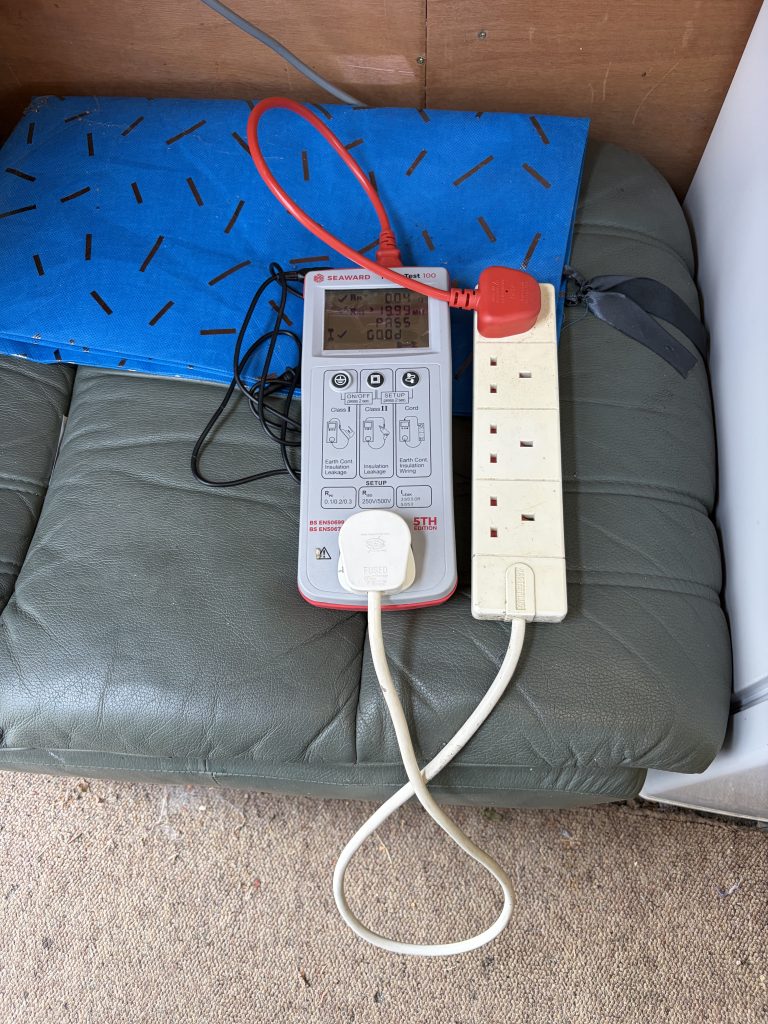
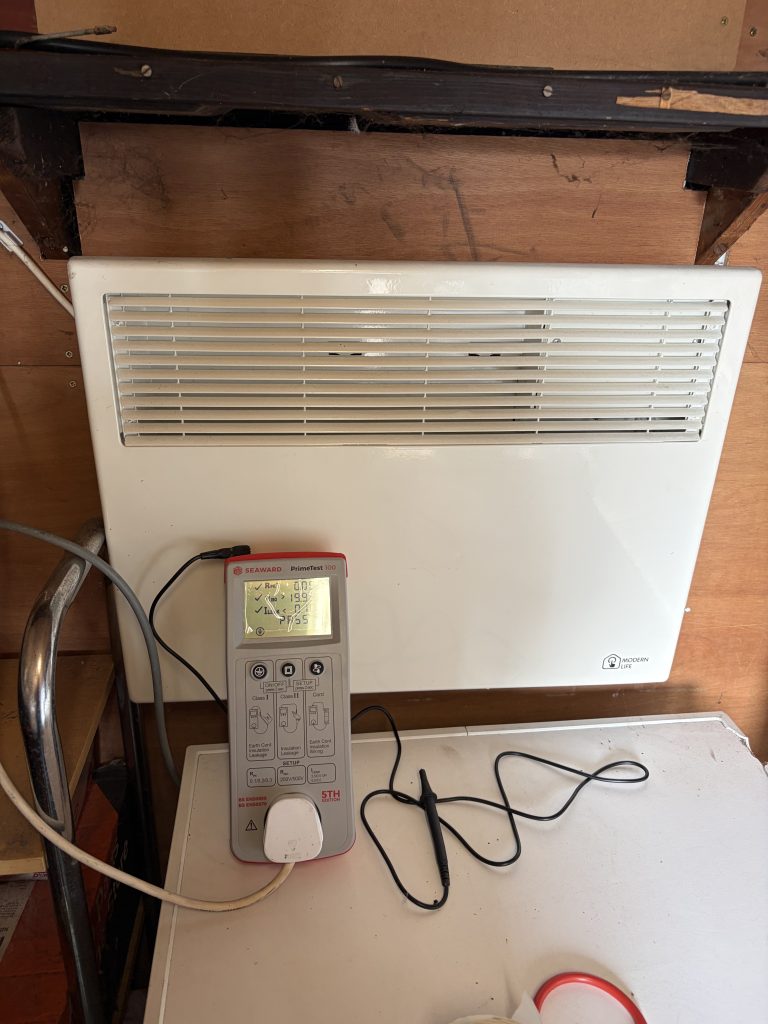
These photographs show some of the PAT testing recently carried out by Pentacle Electrical and Security Ltd.
Different types of equipment can require different checks and tests. The process isn’t simply a case of attaching a sticker to an appliance.
Inspection is an important part of the job, alongside the appropriate electrical tests.
An extension lead, for example, is itself electrical equipment and can be subject to wear, damage or deterioration through everyday use.
Testing and inspection help identify potential problems before they become a greater safety concern.
________________________________________
Pentacle Pro Tip
Don’t assume a PAT sticker tells you everything about the electrical safety of an item.
PAT testing and an EICR look at different parts of the electrical system.
And even where equipment has previously passed inspection and testing, it should still be monitored for damage or deterioration during use.
If a plug, cable or appliance becomes damaged, unusually hot, smells of burning or starts behaving differently, don’t simply wait for the next scheduled test before taking action.
________________________________________
Do Landlords and Businesses Need Both?
Depending on the premises and equipment provided, potentially yes.
For a landlord, there may be a fixed electrical installation to maintain as well as electrical appliances supplied for tenants.
For a business, there may be an entire fixed electrical installation alongside computers, kitchen appliances, extension leads, tools, cleaning equipment and numerous other electrical items.
The appropriate inspection and testing arrangements will depend upon the circumstances and applicable responsibilities.
The important point is:
An EICR and PAT testing are not competing alternatives. They perform different roles within electrical safety management.
________________________________________
Need Electrical Inspection or Testing?
At Pentacle Electrical and Security Ltd, we provide electrical inspection and testing services for landlords, businesses and property owners across Welwyn Garden City and the surrounding Hertfordshire area.
Whether you require an EICR, PAT testing or advice about maintaining electrical safety within your premises, we can help you determine what’s appropriate for your property.
Pentacle Electrical and Security Ltd
Electrical | Fire | Security